I build flight simulations, embedded instrumentation, and composite aero structures - and I've spent 4+ years getting my hands dirty troubleshooting mechanical, electrical, and fluid systems. Looking for roles in aerospace and aeronautical design, test, GNC, and systems engineering.

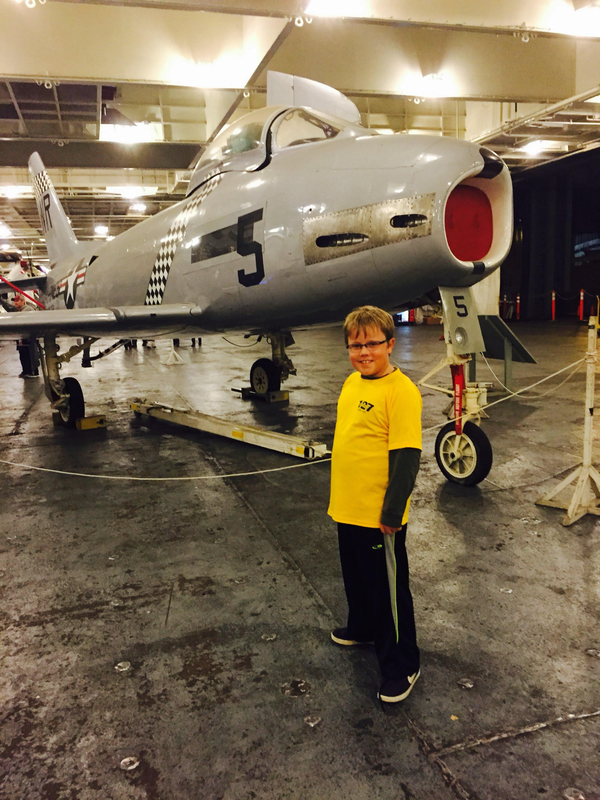
I've wanted to work on aircraft since I was a kid standing next to jets in museum hangars and playing all of the space games. That curiosity drove me through four years as a maintenance tech - diagnosing plumbing, HVAC, electrical, and structural failures with no supervision and no manual. Real systems break in ways no textbook covers, and that hands-on instinct shapes everything I design and simulate today. Right now I'm running CFD trade studies and laying up carbon fiber aero components on Bruin Formula Racing, working maintenance on the side, and designing flight dynamics and instrumentation tools on my own time because I genuinely can't stop.
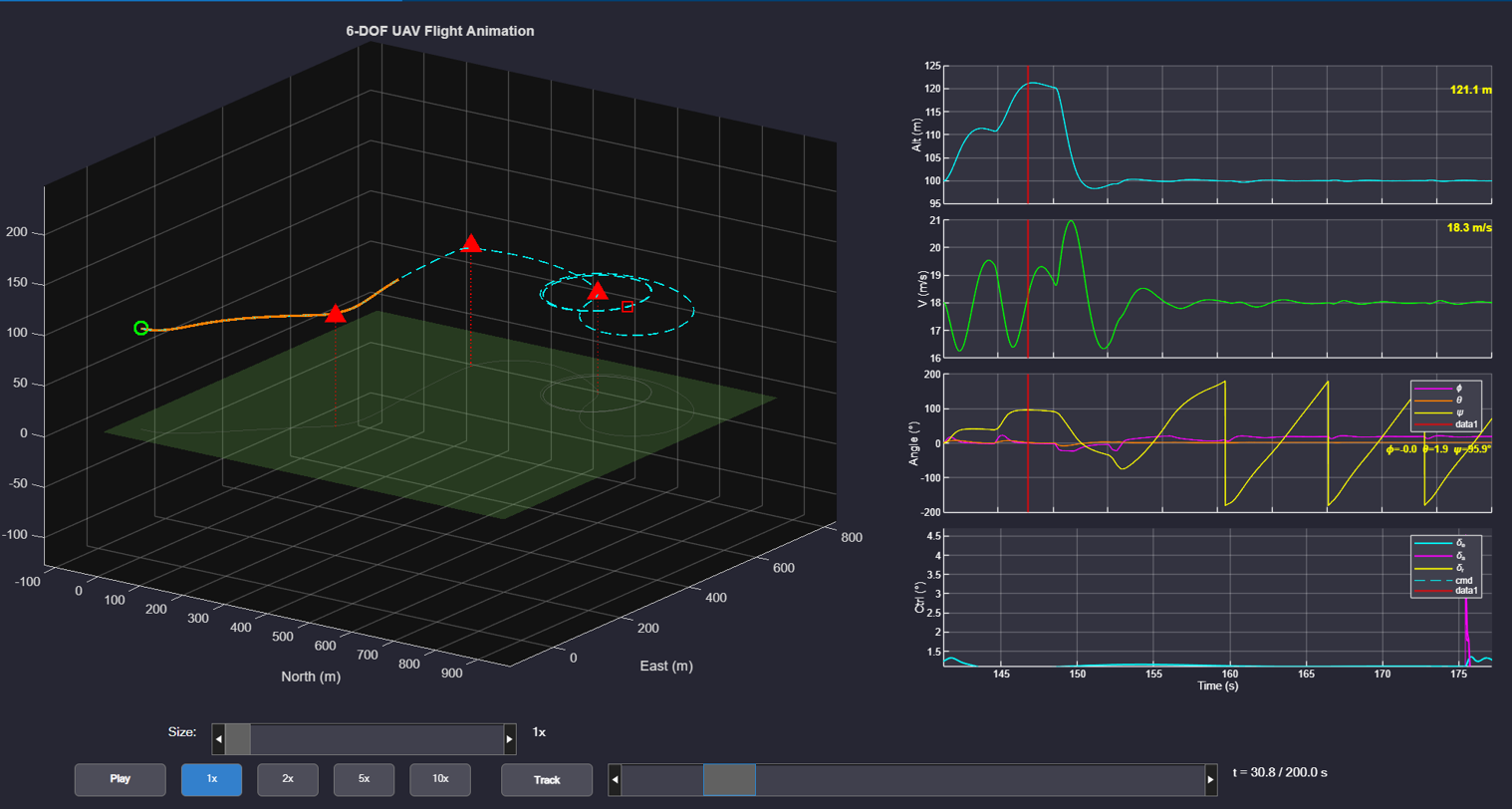
Full 6-DOF rigid-body flight simulator with a 7-loop cascaded PID autopilot that holds altitude within 0.01 m and heading within 0.03°. I used quaternion kinematics to avoid gimbal lock at high angle of attack, and pulled stability derivatives from Nelson's textbook data with RK4 integration. Eigenvalue analysis of the linearized plant confirmed all five classical flight modes. I stress-tested the autopilot with 100-run Monte Carlo sweeps across three Dryden turbulence levels and backed everything with 20 unit tests plus energy and momentum conservation checks (<0.1% drift).
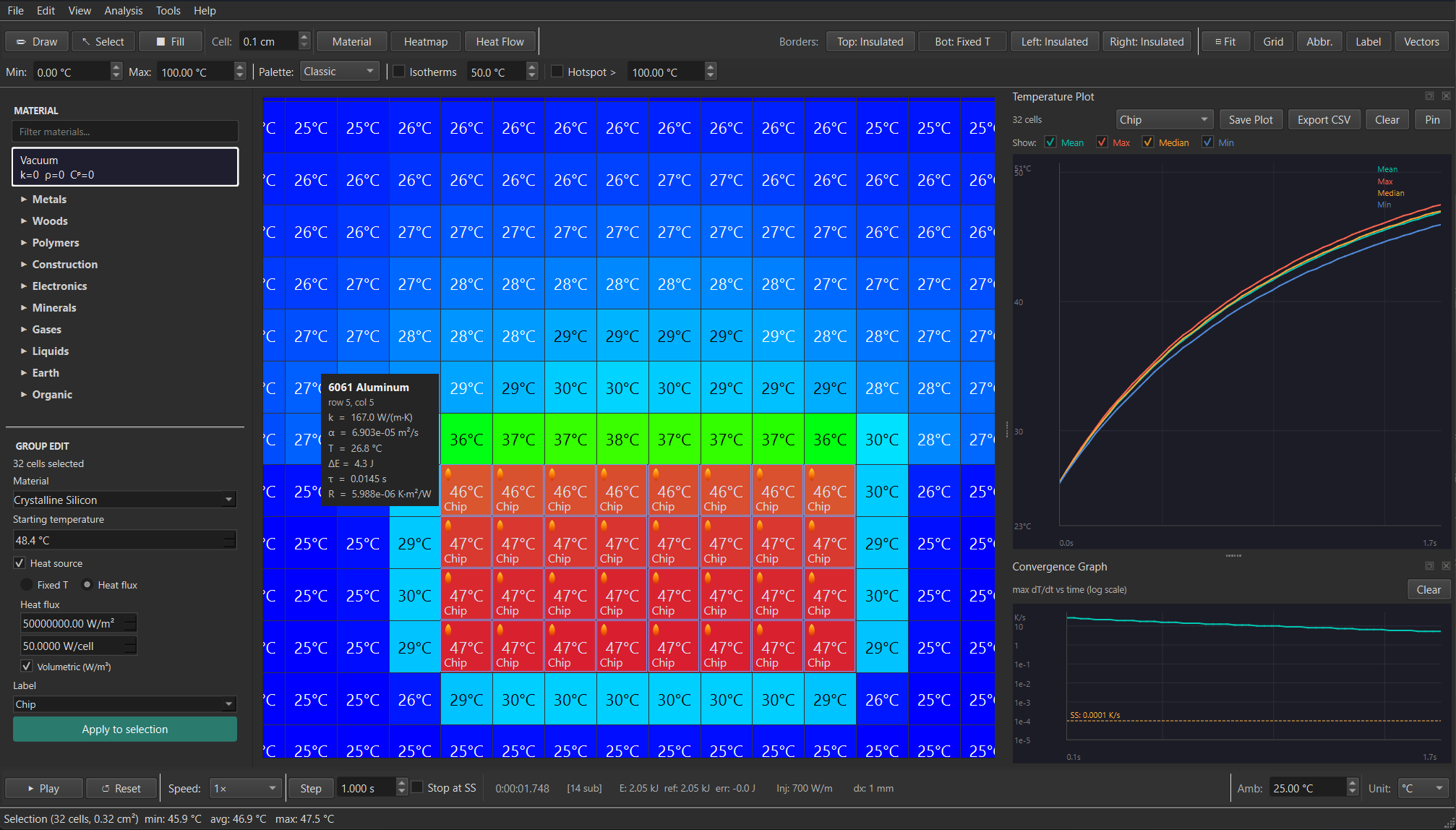
Desktop thermal simulation tool that turned overnight batch jobs into real-time parameter sweeps - a 2,000x speedup achieved through per-cell adaptive time-stepping instead of a single global CFL bound. I modeled aerospace thermal protection scenarios (aerogel, alumina, titanium under 200 W/m² heat flux) with both fixed-temperature and flux boundary conditions. Validated energy conservation per frame across all 196 materials from Incropera's database, and confirmed grid independence under 1% deviation. Shipped 6 versioned releases with a 101-test regression suite and cross-platform executables.
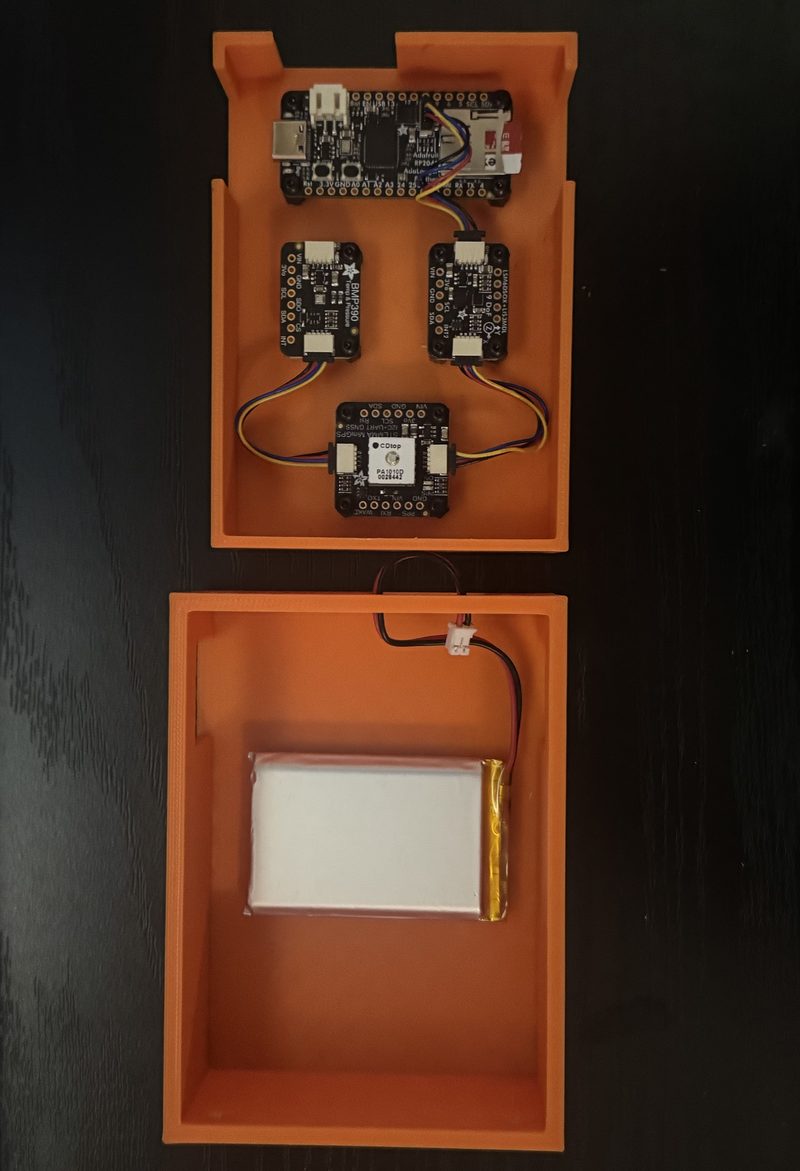
$113 flight test instrumentation package I designed for FSAE CFD validation. It runs a Mahony AHRS attitude estimator at 200 Hz on a dual-core RP2040 - I chose Mahony over an EKF because the Cortex-M0+ couldn't keep up at that update rate. GPS-disciplined timestamps with quality-based fix rejection keep the data clean, and dead-reckoning fills in during GPS dropouts. The whole system logs to SD at 100 Hz with fault tolerance. I also built a web-based 3D trajectory visualizer that a collaborator ended up adopting for AI-based activity classification research.